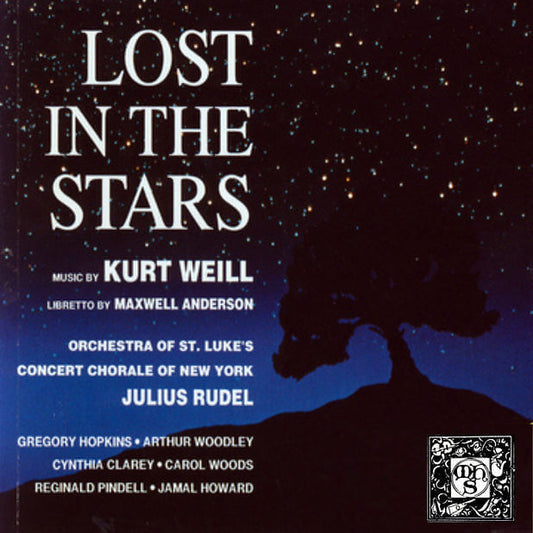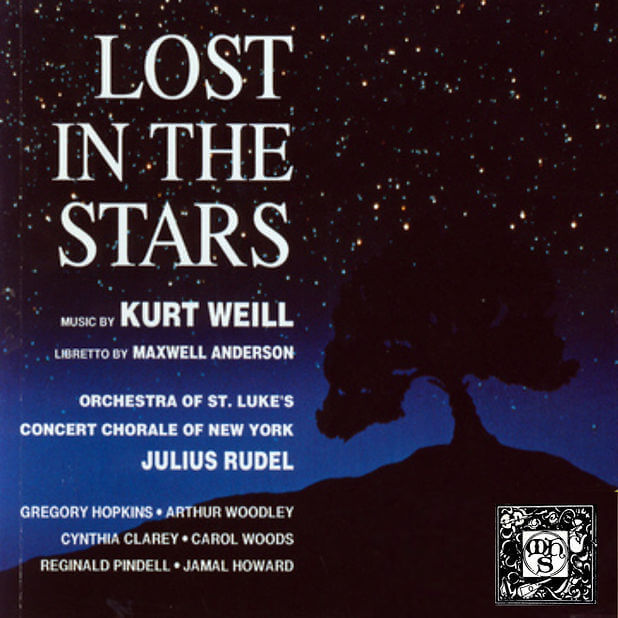
Julius Rudel conducted a production of Lost in the Stars for the New York City Opera in 1959, part of the breakthrough seasons featuring American operas that helped to alter the musical establishment's perception of American opera in general and Weill's contribution to it in particular....Rudel comments in the booklet that he found the recording sessions ''somewhat akin to a religious experience'' and this certainly communicates itself, especially in the choral sequence ''Cry the beloved country'' which frames the death-cell confrontation between father and son. Without much recorded dialogue, the condescending sugariness of the Anderson contribution is reduced and Weill's experimentation with the choruses as well as his usual high quota of great melodies make this one of the finest modern recordings of his work....This is a major addition to the catalogue and essential to any collection of Weill's work—or of twentieth-century opera.

00:00
/
00:00
Also Available from The JULIUS RUDEL: HIS MUSICAL HERITAGE SOCIETY RECORDINGS
-
Members Save 50% DIGITAL DOWNLOAD
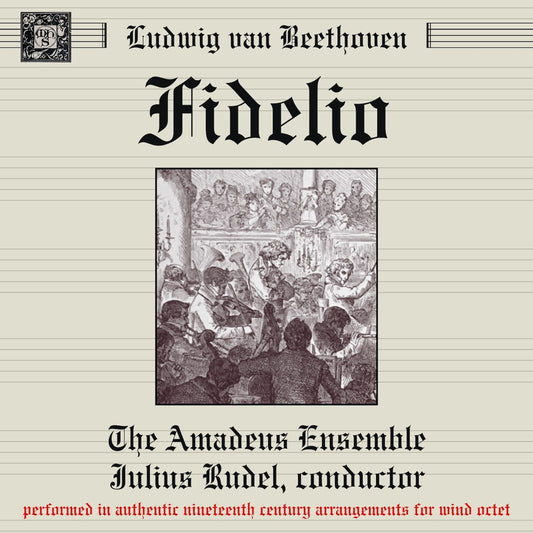
Beethoven: Fidelio (arr. for wind octet and bass) - The A...
ExploreRegular price $9.99 USDRegular priceUnit price per$9.99 USDSale price $9.99 USD -
Members Save 50% DIGITAL DOWNLOAD
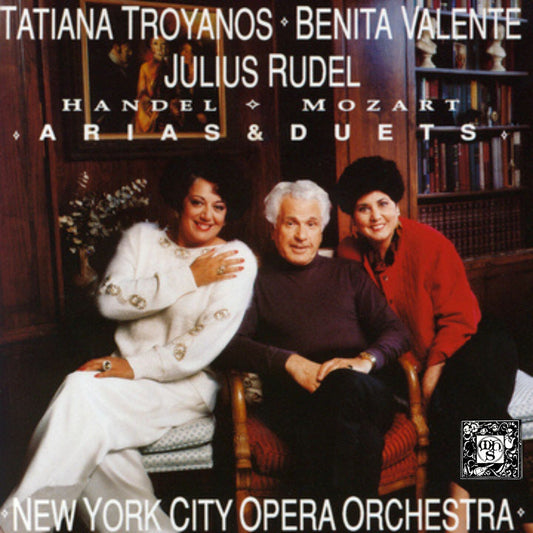
Handel & Mozart: Arias & Duets - Tatiana Troyanos, Benita...
ExploreRegular price $9.99 USDRegular priceUnit price per$9.99 USDSale price $9.99 USD -
Members Save 50% DIGITAL DOWNLOAD
Haydn: The Seven Last Words Of Our Saviour On The Cross (...
ExploreRegular price $9.99 USDRegular priceUnit price per$9.99 USDSale price $9.99 USD -
Members Save 50% DIGITAL DOWNLOAD with LINER NOTES
MOZART: COSI FAN TUTTE & LA CLEMENZA DI TITO (arr. for wo...
ExploreRegular price $9.99 USDRegular priceUnit price per$9.99 USDSale price $9.99 USD -
Members Save 50% DIGITAL DOWNLOAD with LINER NOTES
Mozart: Don Giovanni, K. 527 (Arr. for Woodwind Octet and...
ExploreRegular price $9.98 USDRegular priceUnit price per$9.99 USDSale price $9.98 USDSale -
Members Save 50% DIGITAL DOWNLOAD with LINER NOTES
MOZART: LE NOZZE DI FIGARO (THE MARRIAGE OF FIGARO) arr. ...
ExploreRegular price $9.98 USDRegular priceUnit price per$9.99 USDSale price $9.98 USDSale