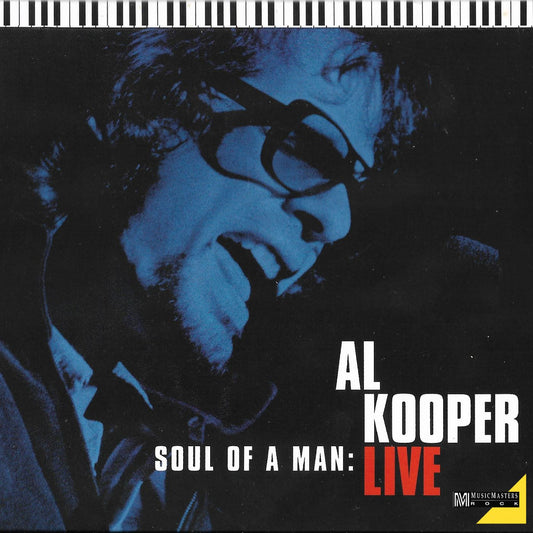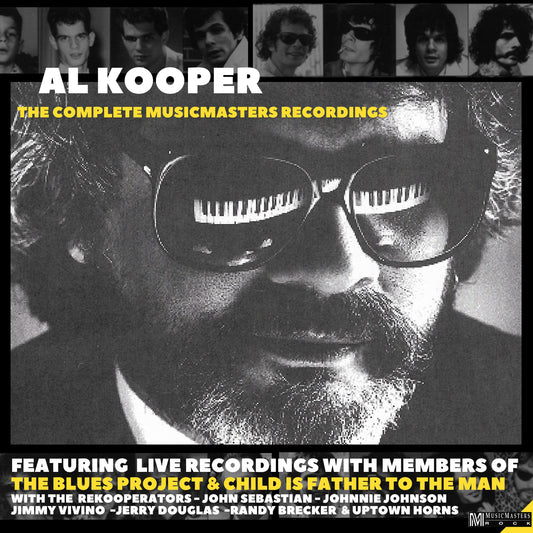
Collection: AL KOOPER - THE MUSICMASTERS RECORDINGS
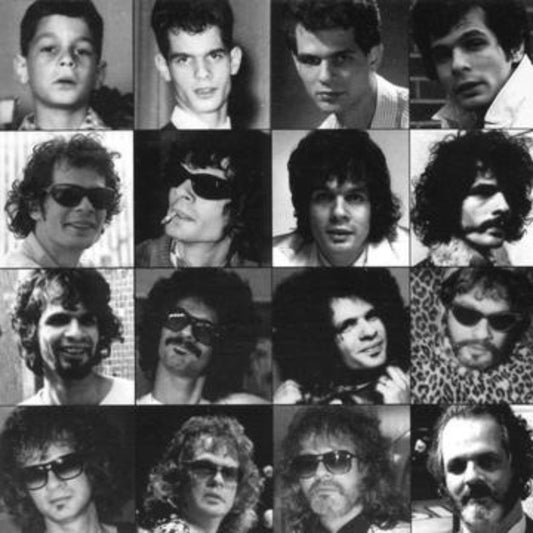
Al Kooper is one of the most storied "musicians’ musicians" in rock history, a versatile multi-instrumentalist, songwriter, and producer whose fingerprints are all over the DNA of 20th-century music. Born Alan Peter Kuperschmidt in Brooklyn in 1944, Kooper began his career as a professional guitarist at fourteen, eventually co-writing the 1965 pop hit "This Diamond Ring."
Kooper’s most legendary contribution occurred by accident in 1965. During Bob Dylan’s recording sessions for "Like a Rolling Stone," Kooper—who had been invited merely to observe—sneaked onto the Hammond B3 organ despite having little experience with the instrument. His slightly delayed, soulful riff became the song’s signature sound and remains one of the most iconic performances in rock history. This began a long association with Dylan, including playing at the infamous 1965 Newport Folk Festival.
In the late 1960s, Kooper’s creative output was relentless. He joined the pioneering psychedelic blues band The Blues Project before founding Blood, Sweat & Tears in 1967. As the visionary behind their debut album, Child Is Father to the Man, he helped pioneer the fusion of rock, jazz, and horns. Shortly after, he organized the Super Session album with Mike Bloomfield and Stephen Stills, a landmark recording that popularized the concept of the studio "jam" album.
As a producer and talent scout, Kooper’s ears were equally sharp. He famously discovered Lynyrd Skynyrd in a Georgia club, producing their first three albums and shaping the sound of Southern Rock classics like "Free Bird" and "Sweet Home Alabama." He also contributed the haunting French horn and organ to The Rolling Stones’ "You Can’t Always Get What You Want."
In 2023, Kooper was inducted into the Rock and Roll Hall of Fame for Musical Excellence. Whether as a sideman, a frontman, or a scout, his career stands as a testament to the power of being in the right place at the right time with the right ears.