DECO Banner
  • Turn on embed
  • Create a DECO Banner from our app
  • Select a matching position
Manage Banner
Skip to product information
1 of 1

Customer Reviews

Be the first to write a review
0%
(0)
0%
(0)
0%
(0)
0%
(0)
0%
(0)
DECO Banner
  • Turn on embed
  • Create a DECO Banner from our app
  • Select a matching position
Manage Banner

Albums Featured in The Musical Heritage Review

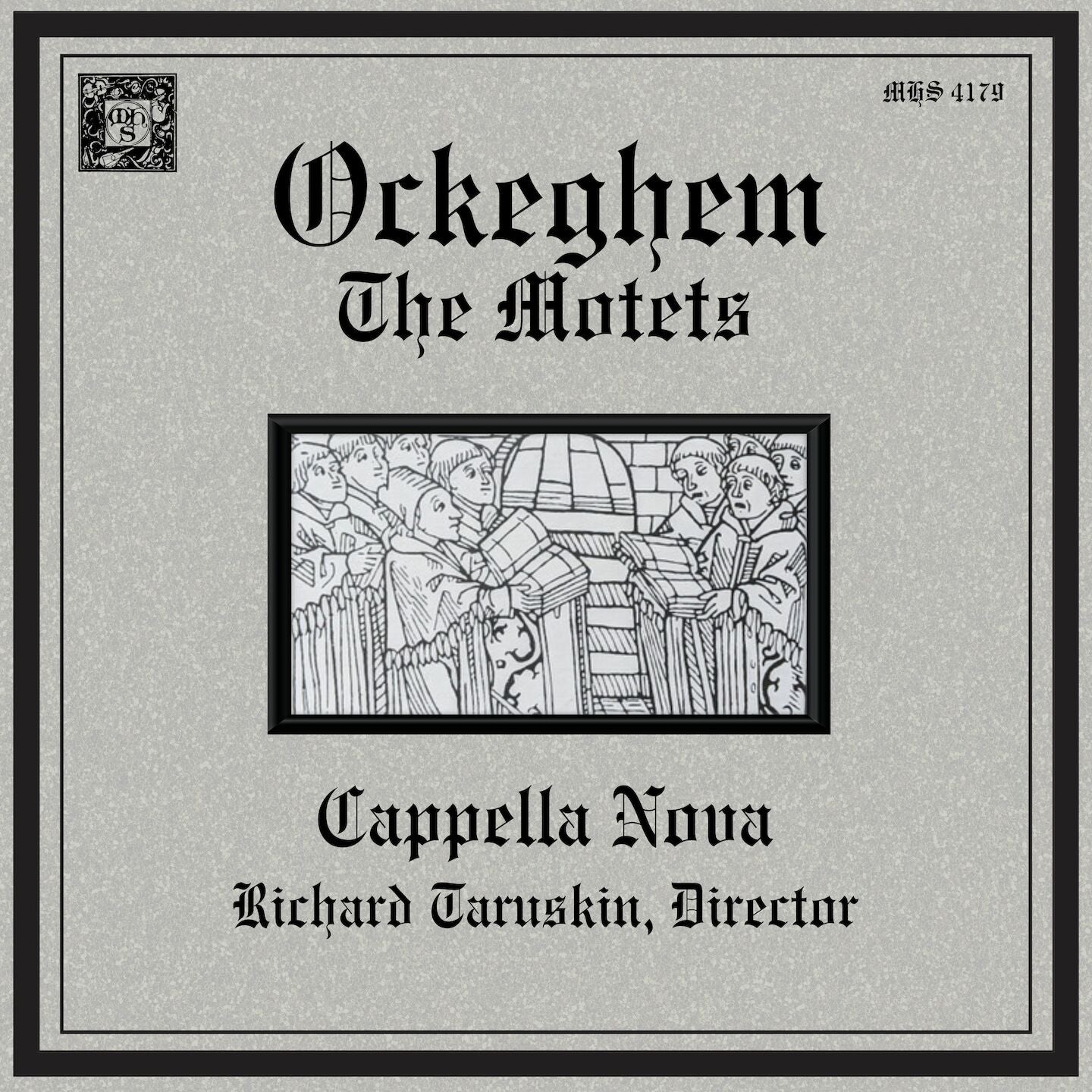
Ockeghem: The Motets - Cappella Nova, Richard Taruskin, director

Ockeghem: The Motets - Cappella Nova, Richard Taruskin, director

DIGITAL DOWNLOAD with LINER NOTES
Regular price $9.99 USD
Regular price $9.99 USD Sale price $9.99 USD
Sale Sold out
Shipping calculated at checkout.
Members Price: $5.00
DECO Banner
  • Turn on embed
  • Create a DECO Banner from our app
  • Select a matching position
Manage Banner
DECO Trust badge
  • Turn on embed
  • Create a DECO Trust badge from our app
  • Select a matching position
Manage Trust badge
DECO Trust badge
  • Turn on embed
  • Create a DECO Trust badge from our app
  • Select a matching position
Manage Trust badge
During the 15th century, the genre of musical composition known as motet underwent such a thorough transformation that it would be virtualy impossible to define the word in terms that applied equally well to works so named written at the begin ning of the period and at the end. Around 1400, the motet, always the epitome of learned music, had become a sort of musi cal monument. It was conceived in purely architectonic terms: over the foundation of a borrowed Gregorian chant cast as it were in musical stone by a process of elaborate rhyth mic patterning known then as “talea” and now as “isorhythm,” melodic lines-each carrying its own text and hang intelligibility! Were vaulted and buttressed in great sonic arches. In their extreme complexity of design and rigidity of structure, motets of this type gave expression to the final, most impressive outburst of late medieval cosmic speculation in tone: the apotheosis of the Platonic ideal of music as the divinely ordained symbol of the harmony of the spheres. Isorhythmic motets celebrated great occasions, praised great cities, and honored great men of church and state. The last major practitioner of this somewhat archaic genre was Guillaume Dufay (d. 1474), who wrote, among others, three impressively grandiose specimens to commemorate events in the career of Pope Eugenius IV (reigned 1431-40).
DECO Trust badge
  • Turn on embed
  • Create a DECO Trust badge from our app
  • Select a matching position
Manage Trust badge
View full details

Customer Reviews

Be the first to write a review
0%
(0)
0%
(0)
0%
(0)
0%
(0)
0%
(0)

Also Available from Albums Featured in The Musical Heritage Review