
DECO Banner
  • Turn on embed
  • Create a DECO Banner from our app
  • Select a matching position
Manage Banner
Skip to product information
1 of 1

Customer Reviews

Be the first to write a review
0%
(0)
0%
(0)
0%
(0)
0%
(0)
0%
(0)
DECO Banner
  • Turn on embed
  • Create a DECO Banner from our app
  • Select a matching position
Manage Banner

JOHN BROWNING: HIS MUSICAL HERITAGE SOCIETY RECORDINGS

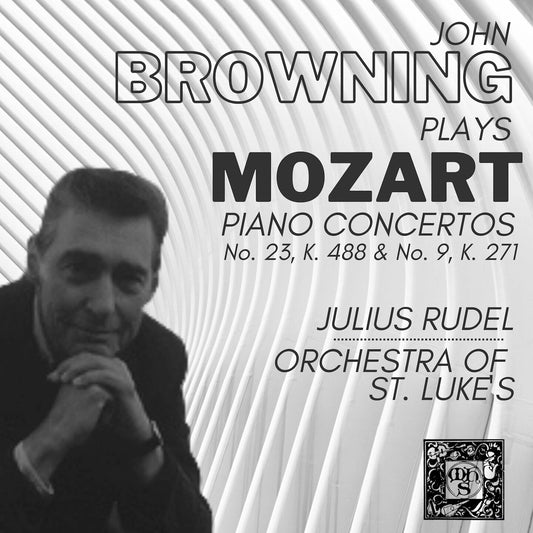
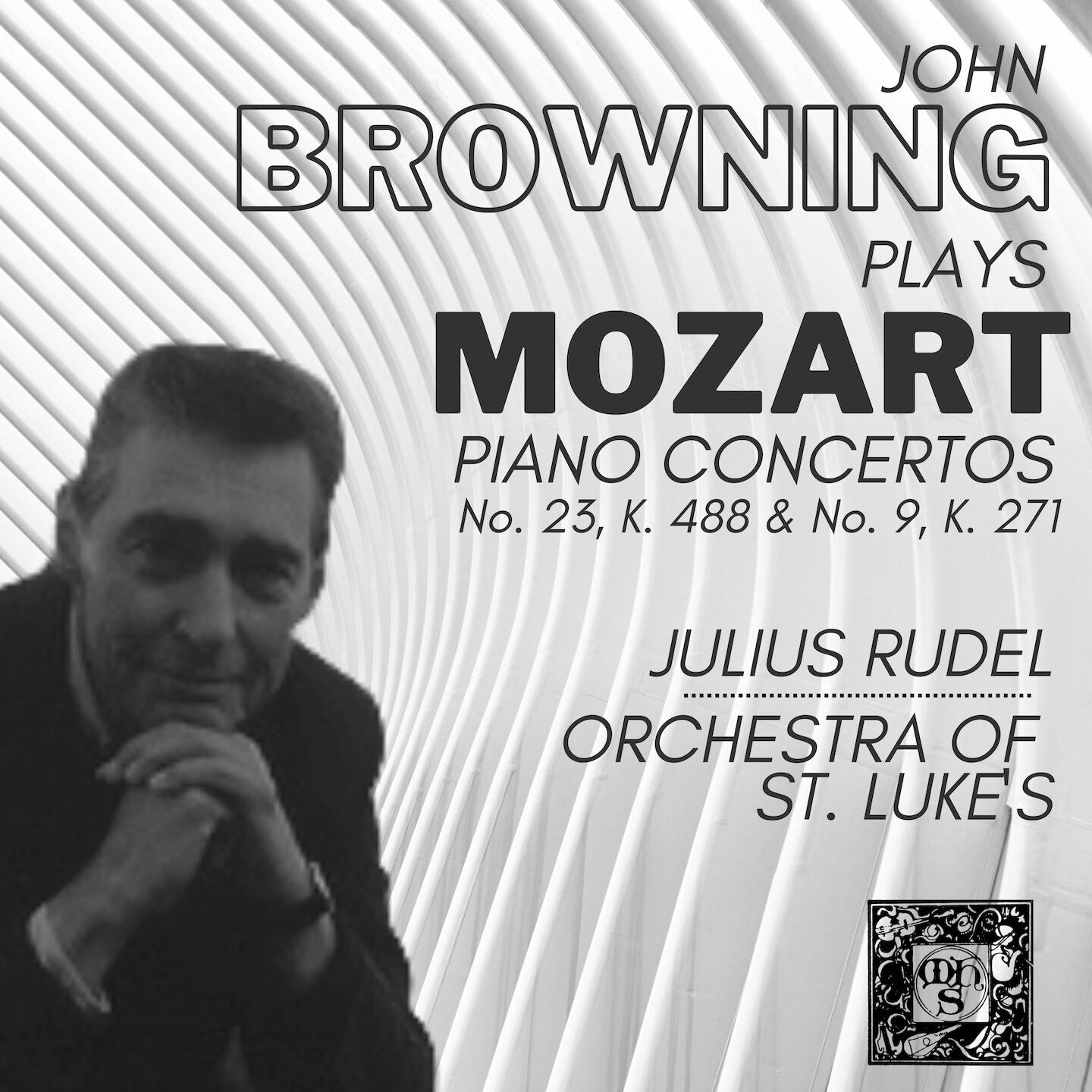
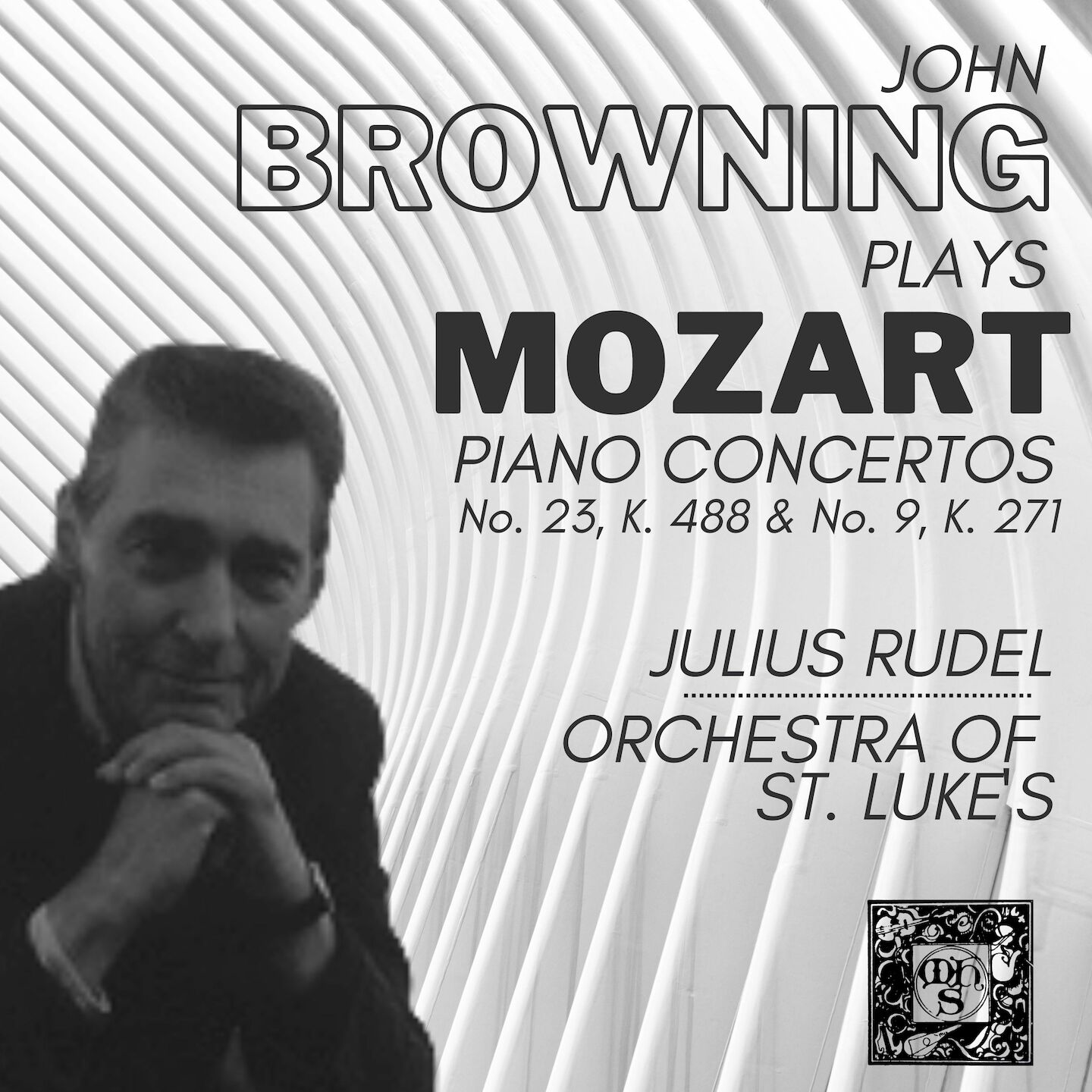
MOZART: PIANO CONCERTOS Nos. 9 & 23 - John Browning, Julius Rudel, Orchestra of St. Luke's

MOZART: PIANO CONCERTOS Nos. 9 & 23 - John Browning, Julius Rudel, Orchestra of St. Luke's

Two of Mozart's most beautiful piano concertos, one from his youth, another from his mature prime.

DIGITAL DOWNLOAD with LINER NOTES
Regular price $9.98 USD
Regular price $9.98 USD Sale price $9.98 USD
Sale Sold out
Shipping calculated at checkout.
Members Price: $4.99
DECO Trust badge
  • Turn on embed
  • Create a DECO Trust badge from our app
  • Select a matching position
Manage Trust badge
DECO Trust badge
  • Turn on embed
  • Create a DECO Trust badge from our app
  • Select a matching position
Manage Trust badge
In a letter dated June 1894 to William T. Stead, George Bernard Shaw referred to a sketch written by Wagner in which the hero's creed began: "I believe in God, Mozart, and Beethoven". Shaw then went on to write: "Now you were brought up to believe in God, but not in Mozart or Beethoven, whereas I was brought up to believe in Mozart and Beethoven but not in God." Blasphemous? Perhaps, but then we hear the two piano concertos paired on this recording and we are led to wonder whether Mozart and godliness are not in some way linked. The one thing on which all parties can agree is that a superior being was responsible for the creation of these works. Though written nine years apart, the two concertos have many similarities, the foremost being the way each blends youthful exuberance and profound maturity. The main difference lies in a question of relativity: in essence K. 271 is a youthful concerto with an undercurrent of sadness, while K. 488 is a sad work striving to regain the carefree joy of youth. In these concertos we are faced with the paradox of Mozart's creative genius: his ability to paint an indefinite picture, leaving the listener wondering whether the work is happy or sad.
DECO Trust badge
  • Turn on embed
  • Create a DECO Trust badge from our app
  • Select a matching position
Manage Trust badge
View full details

Customer Reviews

Be the first to write a review
0%
(0)
0%
(0)
0%
(0)
0%
(0)
0%
(0)

Also Available from JOHN BROWNING: HIS MUSICAL HERITAGE SOCIETY RECORDINGS