ALEXANDER SCRIABIN (1897-1915)

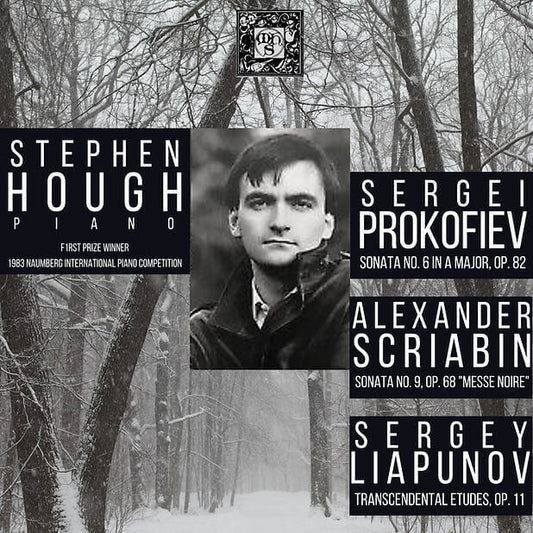
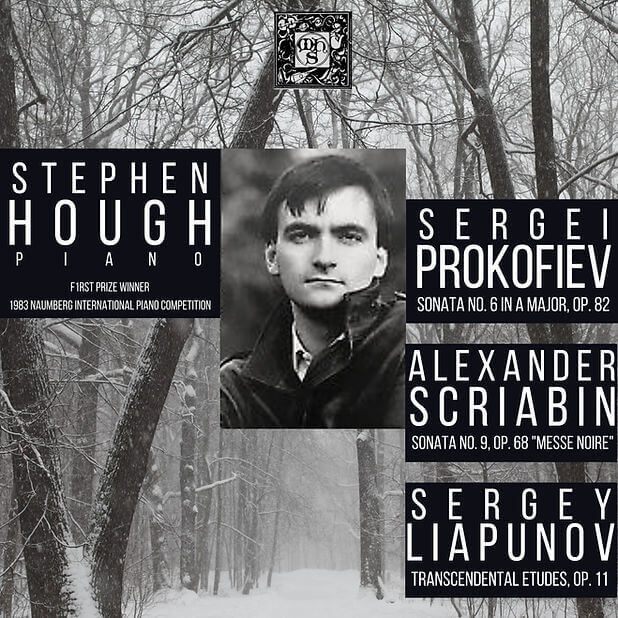
Prokofiev, Scriabin, Liapunov: Russian Virtuoso Piano Music - Stephen Hough, piano

Prokofiev, Scriabin, Liapunov: Russian Virtuoso Piano Music - Stephen Hough, piano

Unlock Exclusive Member Benefits:

  • First Month is a Free Trial

  • Get a Free Digital Boxed Set Every Month

  • Save On Classical, Jazz, Pop and World Music CDs, LPs, DVDs and Blu-Rays at Our Partner Store, ClassicSelect World

  • $$$ Off Your Purchases Starting Now

  • And Access The Musical Heritage Review Magazine Archives - Explore Music with Hundreds of Essays, Articles and Reviews

  • Learn about MEMBERSHIP

Enjoy your Exclusive Member Benefits:

  • Save At Least 50% on Sale Items at Our Store

  • Monthly Discounts at Our Partner Store, ClassicSelect World

  • Read The Musical Heritage Review and The Archives

  • Get Your Free Digital "Main Selection"

  • Click Here To Learn about MEMBERSHIP

AVAILABLE ON MAJOR STREAMING SERVICES

If You See This Icon...

  • This Title Is Available Only On Streaming Services.
  • Explore! Read About This Title in The Musical Heritage Review.
  • If You See This, Members Save 50% or More on This Recording
One of music's true originals, Sergei Prokofiev (1891-1953) dared to shake his fist at Soviet officialdom. His first piano Sonata, op. 1 (1909) hardly extends the language of Russia's ancien régime (Glazunov, Arensky, Liadov, etc. ); but within a remarkably short time he insisted on a more muscular tradition of speech, shorn of easy sentiment and confidently throwing all discretion to the wind...Alexander Scriabin (1872-1915) was a precocious genius whose early waltzes, mazurkas, preludes, nocturnes, etc. declare their Chopinesque bias. Scriabin's individuality is, however, paramount and his early sophistication is greatly extended in other later examples of these genres and most of all in his 10 piano Sonatas...Finally, as a garland of encores, Stephen Hough plays three of Sergey Liapunov's 12 Transcendental Etudes, op. 11. Although Liapunov (1859-1924) felt unable too escape the shadows of both Liszt and Balakirev he turned such influence to picturesque and evocative advantage.
View full details

Also Available from The ALEXANDER SCRIABIN (1897-1915)