MANUEL DE FALLA (1876-1946)

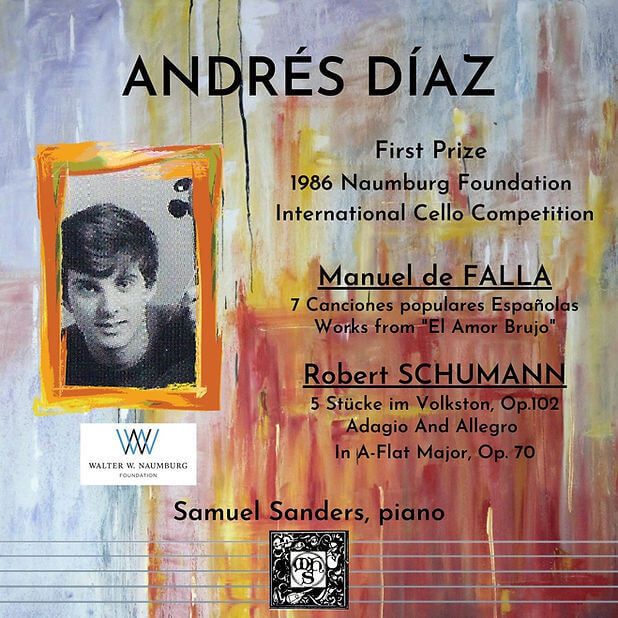
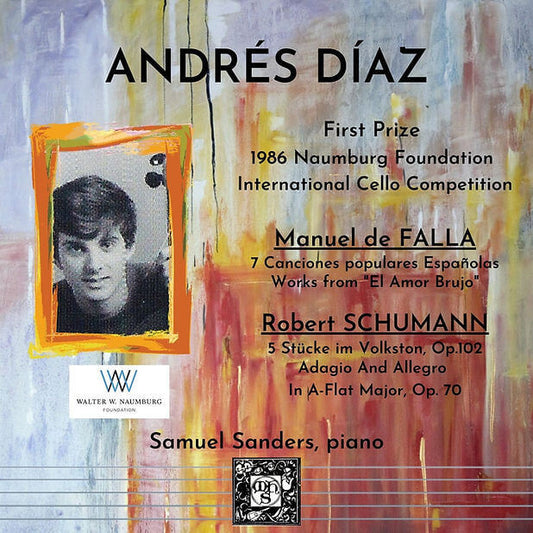
Andres Diaz: The Naumburg Recordings, 1986 First Prize Cello Competition - with Samuel Sanders

Andres Diaz: The Naumburg Recordings, 1986 First Prize Cello Competition - with Samuel Sanders

Unlock Exclusive Member Benefits:

  • First Month is a Free Trial

  • Get a Free Digital Boxed Set Every Month

  • Save On Classical, Jazz, Pop and World Music CDs, LPs, DVDs and Blu-Rays at Our Partner Store, ClassicSelect World

  • $$$ Off Your Purchases Starting Now

  • And Access The Musical Heritage Review Magazine Archives - Explore Music with Hundreds of Essays, Articles and Reviews

  • Learn about MEMBERSHIP

Enjoy your Exclusive Member Benefits:

  • Save At Least 50% on Sale Items at Our Store

  • Monthly Discounts at Our Partner Store, ClassicSelect World

  • Read The Musical Heritage Review and The Archives

  • Get Your Free Digital "Main Selection"

  • Click Here To Learn about MEMBERSHIP

AVAILABLE ON MAJOR STREAMING SERVICES

If You See This Icon...

  • This Title Is Available Only On Streaming Services.
  • Explore! Read About This Title in The Musical Heritage Review.
  • If You See This, Members Save 50% or More on This Recording
In his youth, Manuel de Falla equivocated between a literary career and one in music. Around his 17th year his direction in life was crystallized by a series of orchestral concerts held at the Museo de Pinturas in Cadiz. There he heard a good deal of standard German repertoire which, though enjoyable, made little impression. However, the music of Grieg was also performed; its directness of expression, lack of structural complexity, and inimitably Norwegian flavor set up sympathetic vibrations in his musical psyche. What Grieg was doing for Norway, Falla might someday do for Spain...This recording also contains two pieces by Robert Schumann, one of which is titled Funf Stucke im Volkston (Five pieces in folk style). Title notwithstanding, this is music from a cultural source that Falla was resisting, unconsciously or otherwise. Late 18th- and 19th-century Germanic music most closely approximated the classical-­period ideal of a universal musical language, at least as far as instrumental music was concerned. The sonata-allegro form dominated.
View full details

Also Available from The MANUEL DE FALLA (1876-1946)