JOHANNES OCKEGHEM (c. 1410/1425 – 1497)
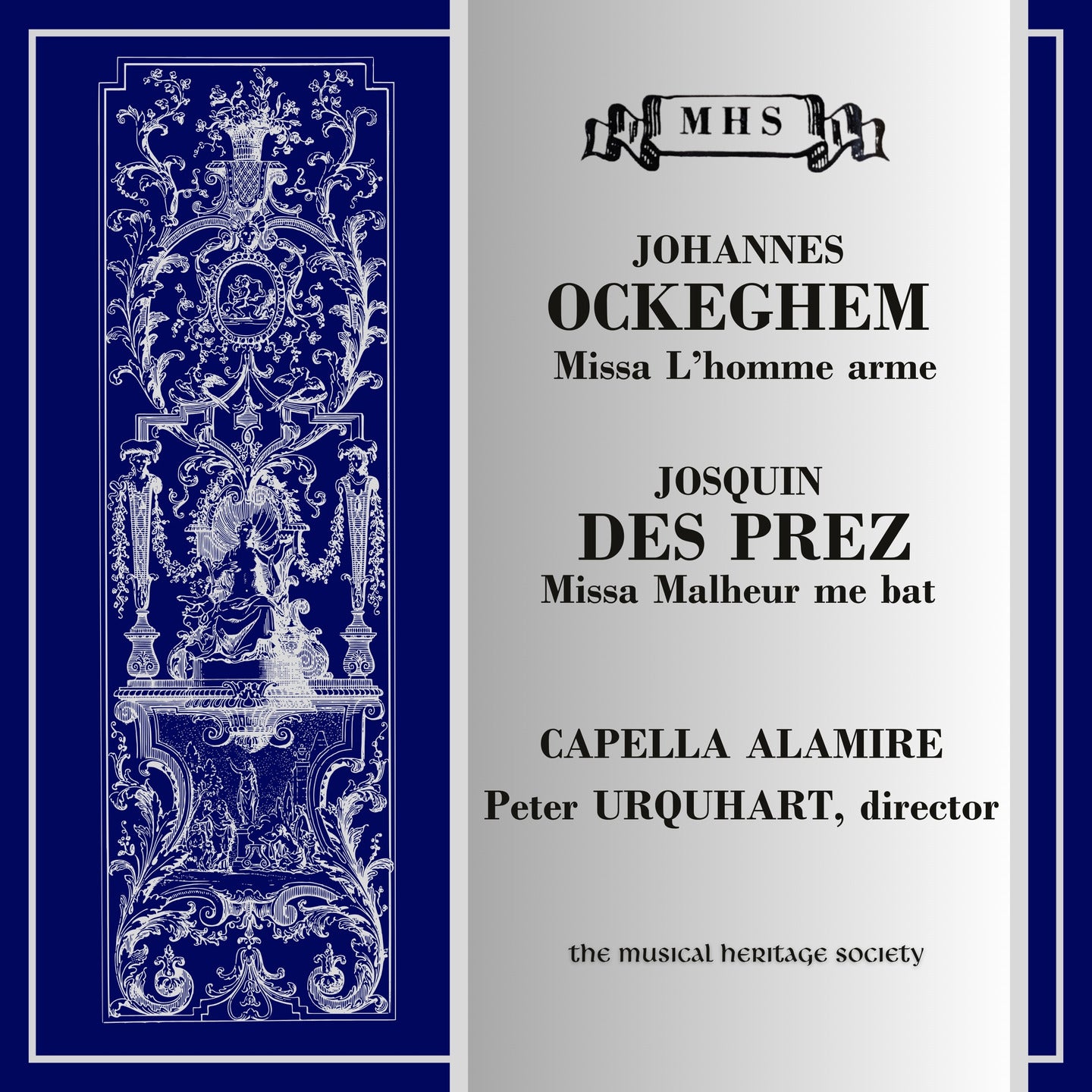
Ockeghem & Josquin des Prez: Masses - Capella Alamire
You Choose Your Download Format: After checkout, you can choose MP3, or the high-definition file formats FLAC, WAV or ALAC - all at the same price.
Understanding Our Icons
See This ? Save 50% or More on This Title
See This? Read About This Title in The Musical Heritage Review
See This? This Title Is Only Available on Streaming Services
Unlock exclusive Member perks:
- First Month is a Free Trial
- Get A Free Digital Boxed Set Every Month
- Receive Discounts on CDs, DVDs, LPs and more at ClassicSelect World, our partner store
- $$$ Off Your Purchases Starting Now
- Click Here to Join Today
Enjoy your Exclusive Member benefits:
- Free Downloads Every Month
- Discounts on CDs, DVDs and LPs at ClassicSelect World, our partner store
- Enjoy $$$ Off Your Purchases
- Unlimited Articles from The Musical Heritage Review
- Click Here Learn about MEMBERSHIP
The early music 'movement" of the last efforts of instrument builders and players; however, most of the music written before 1600 was primarily vocal in conception. As a result, in the 1960s and '70s, early music ensembles tended to use a great variety of instruments -- sackbuts, shawms, recorders cornetti, and even crumhorns -- in their performances of sacred music of the Renaissance. The old "a cappella” ideal, the norm for the performance of sacred music by Palestrina and Lassus since its revival in the 19th century, was reversed for Franco Flemish composers such as Josquin, Ockeghem, and Obrecht. More recently, there has been a swing back to the a cappella ideal; musicology has been at work, dispelling the idea that the panoply of Renaissance instruments took part in church services at all. The swing continues today, as even the notion of the choir is being questioned in favor of soloists.
Perhaps the swing away from instrumental use has gone too far, since there are many pieces from the 15th century in which one line of the texture seems well-suited for instrumental performance, or simply ill-suited for vocal performance. Cantus firmus construction abounds in 15th-century music in which one voice stands out from the rest, generally quoting a preexisting melody, often in slower note values. In the L’homme armé Mass by Ockeghem, the notes of the tenor, the cantus firmus-bearing voice, are so few in number that it is not possible to fit the entire text if it were sung. Alejandro Planchart (1981) suggested that the organ and slide trumpet were used in the court of Savoy for such lines in Masses by Dufay and Ockeghem. For our recording of Ockeghem's Mass, we have chosen to use a sackbut, a relative of the modern trombone and a late 15th-century advance on the slide trumpet.
Sound Samples - Or Stream From Here After Purchase!

Also Available from JOHANNES OCKEGHEM (c. 1410/1425 – 1497)
-
Members Save 50% MHS EXCLUSIVE DIGITAL DOWNLOAD
CAPPELLA NOVA: THE MHS RECORDINGS - Cappella Nova, Richar...
ExploreRegular price $9.99 USDRegular priceUnit price / per$9.99 USDSale price $9.99 USD -
Members Save 50% DIGITAL DOWNLOAD WITH LINER NOTES
Ockeghem & Josquin des Prez: Masses - Capella Alamire
ExploreRegular price $9.99 USDRegular priceUnit price / perSale price $9.99 USD -
Members Save 50% DIGITAL DOWNLOAD with LINER NOTES
Ockeghem: Prince of Music - Cappella Nova, Richard Tarusk...
ExploreRegular price $9.98 USDRegular priceUnit price / per$9.98 USDSale price $9.98 USD -
Members Save 50% DIGITAL DOWNLOAD with LINER NOTES
Ockeghem: The Motets - Cappella Nova, Richard Taruskin, d...
ExploreRegular price $9.99 USDRegular priceUnit price / per$9.99 USDSale price $9.99 USD