

Performers

00:00
/
00:00
Also Available from MHS EXCLUSIVES!
-
Members Save 50% MHS EXCLUSIVE DIGITAL DOWNLOAD
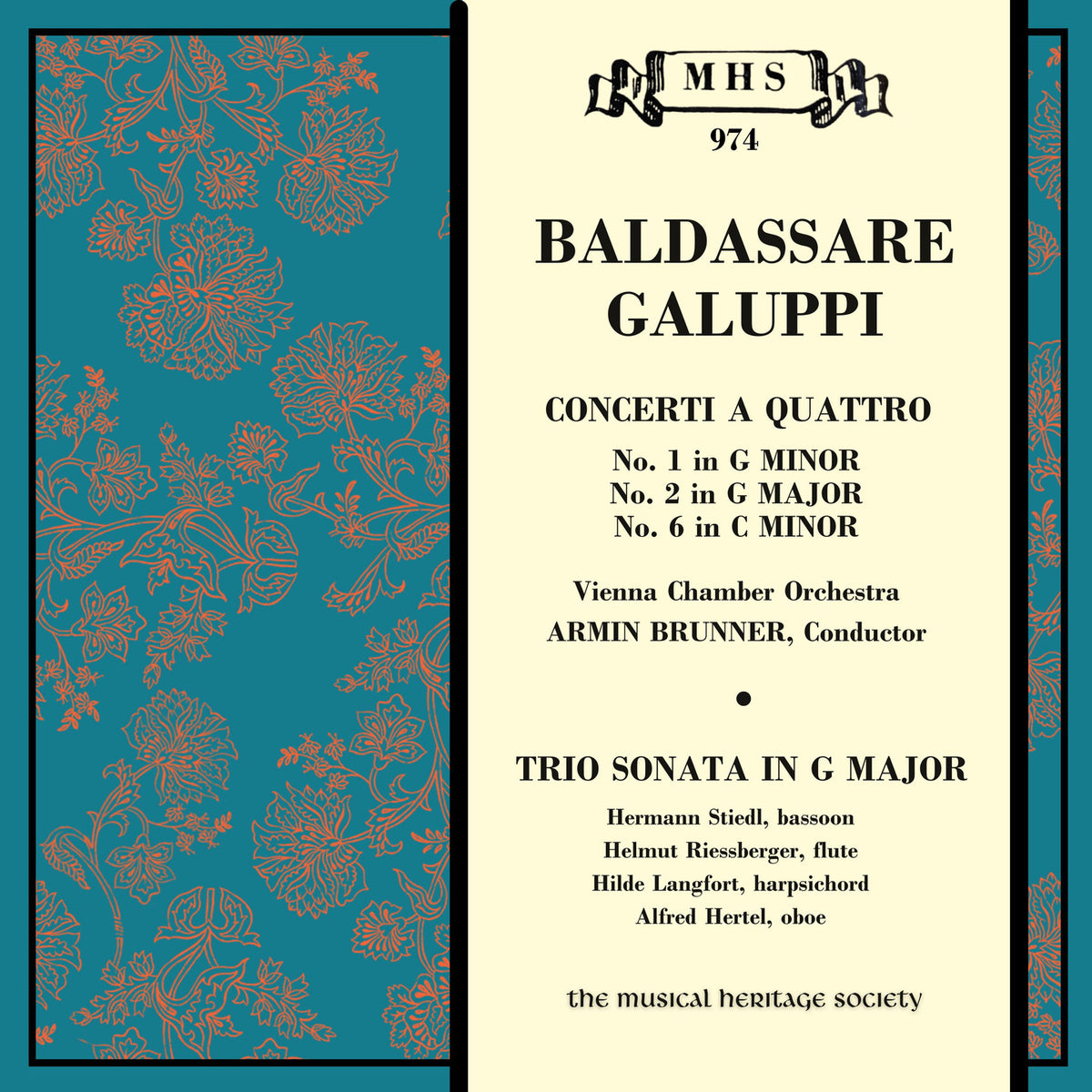
Galuppi: Concerti a Quattro, Trio Sonata - Vienna Chamber...
ExploreRegular price $9.99 USDRegular priceUnit price per -
Members Save 50% DIGITAL DOWNLOAD WITH LINER NOTES
Schubert: Octet in F Major, D. 803
ExploreRegular price $9.99 USDRegular priceUnit price per -
Members Save 50% DIGITAL DOWNLOAD WITH LINER NOTES
Des Prez & Fayrfax: Masses
ExploreRegular price $9.99 USDRegular priceUnit price per -
Members Save 50% DIGITAL DOWNLOAD WITH LINER NOTES
French Sacred Music - Schola Cantorum of the Church of St...
ExploreRegular price $9.99 USDRegular priceUnit price per -
Members Save 50% DIGITAL DOWNLOAD WITH LINER NOTES
Bach: Arias with Instrumental Obbligato - The Bach Aria G...
ExploreRegular price $9.99 USDRegular priceUnit price per -
Members Save 50% DIGITAL DOWNLOAD WITH LINER NOTES
Boccherini: String Quintets
ExploreRegular price $9.99 USDRegular priceUnit price per -
Members Save 50% DIGITAL DOWNLOAD WITH LINER NOTES
Mozart: Piano Sonatas - Menahem Pressler
ExploreRegular price $9.99 USDRegular priceUnit price per -
Members Save 50% DIGITAL DOWNLOAD WITH LINER NOTES
Three Generations of Mozart: Leopold, Wolfgang Amadeus, F...
ExploreRegular price $9.99 USDRegular priceUnit price per -
Members Save 50% DIGITAL DOWNLOAD WITH LINER NOTES
Brahms: Four Piano Trios - Olewsky Trio
ExploreRegular price $12.99 USDRegular priceUnit price per -
Members Save 50% DIGITAL DOWNLOAD WITH LINER NOTES
Rachmaninoff: Trio Elegiaque, No. 2, Op. 9 - Andreas Trio
ExploreRegular price $9.99 USDRegular priceUnit price per -
Members Save 50% DIGITAL DOWNLOAD WITH LINER NOTES
Romantic Russian Trios (Arensky & Gretchaninov) - Andreas...
ExploreRegular price $9.99 USDRegular priceUnit price per -
Members Save 50% DIGITAL DOWNLOAD WITH LINER NOTES
Mozart: Piano Concerto Nos. 14 & 15 - Menahem Pressler, V...
ExploreRegular price $9.99 USDRegular priceUnit price per


