DECO Banner
  • Turn on embed
  • Create a DECO Banner from our app
  • Select a matching position
Manage Banner
Skip to product information
1 of 1

Customer Reviews

Be the first to write a review
0%
(0)
0%
(0)
0%
(0)
0%
(0)
0%
(0)
DECO Banner
  • Turn on embed
  • Create a DECO Banner from our app
  • Select a matching position
Manage Banner

HENRY PURCELL (c. 1659 – 1695)

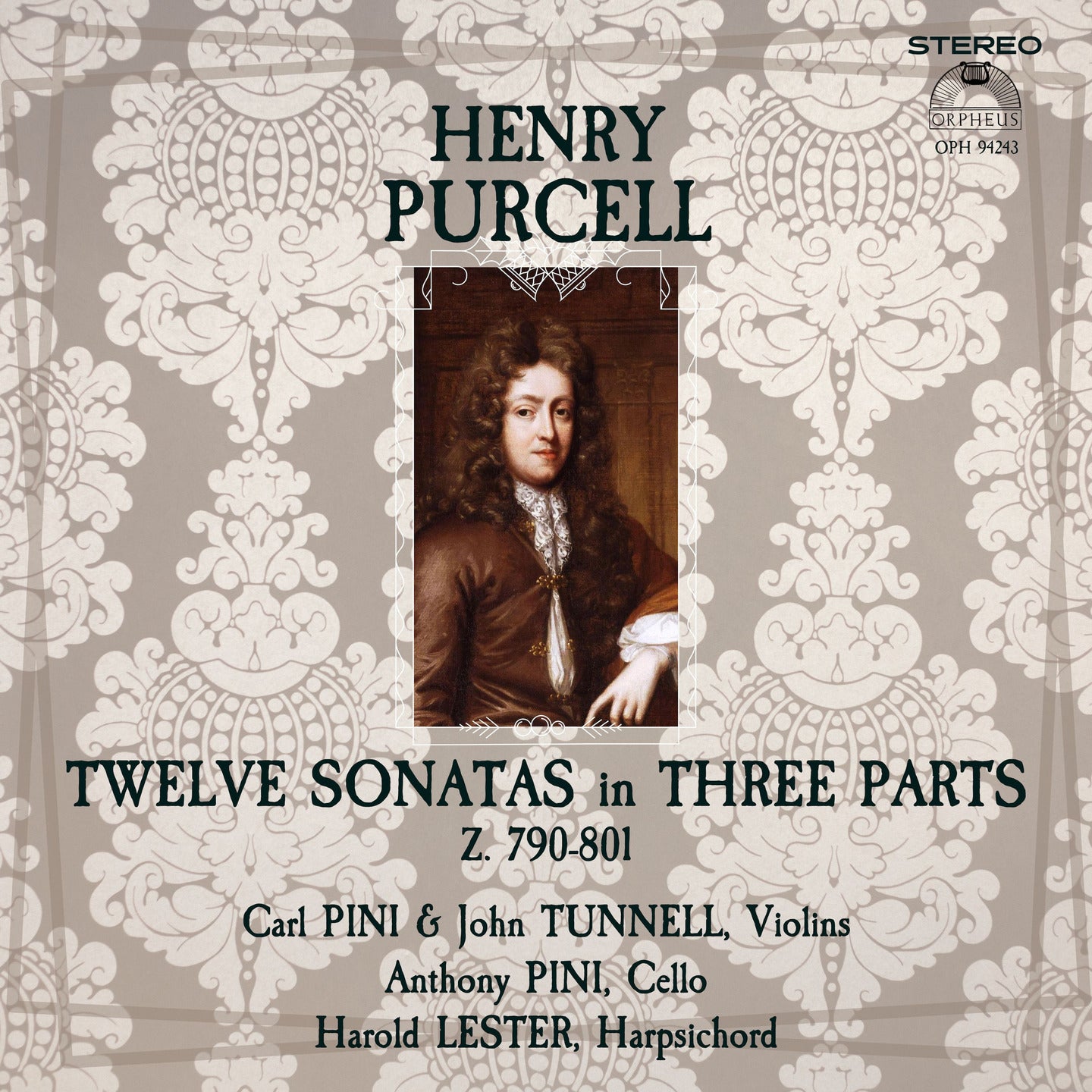
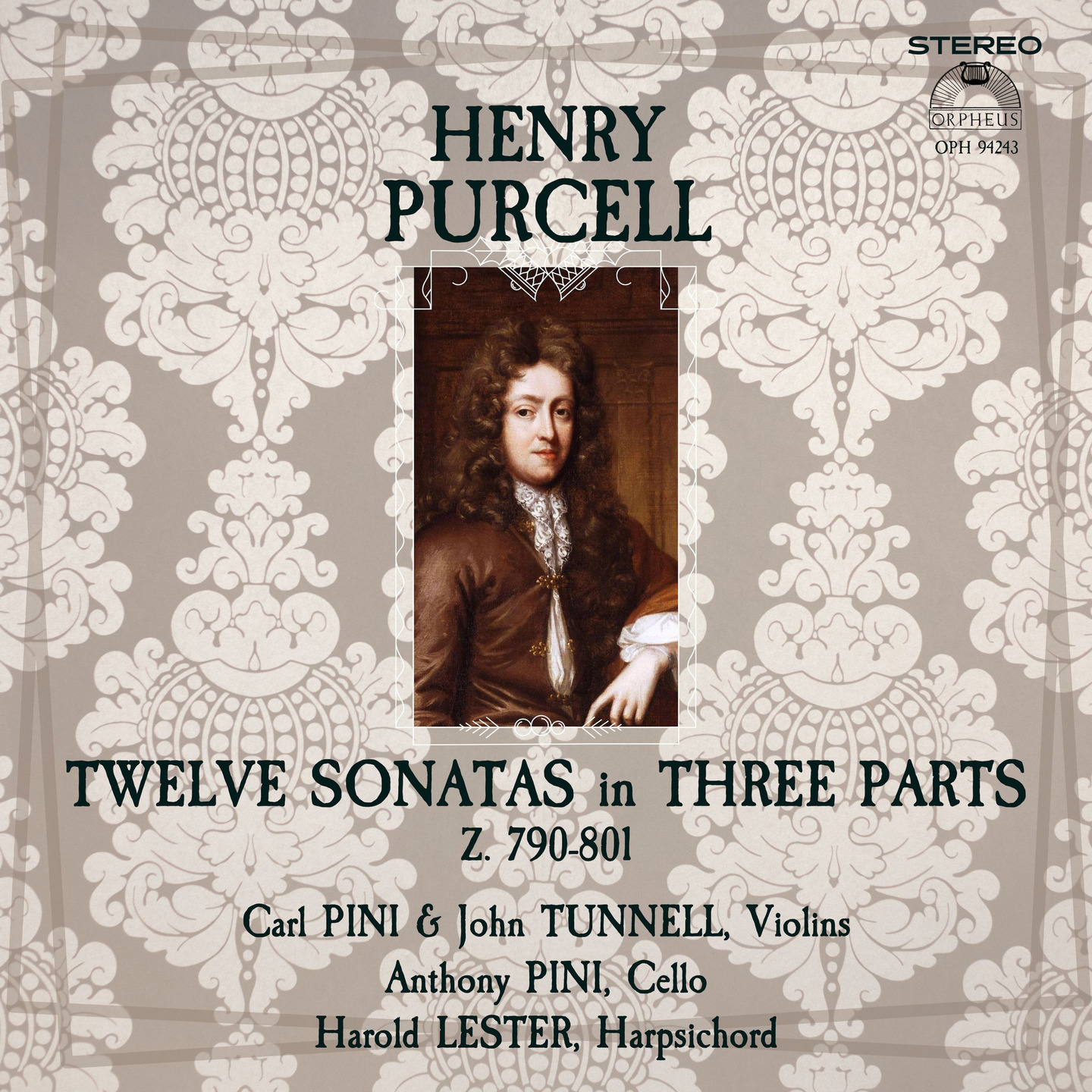
Purcell: 12 Sonatas in Three Parts, Z. 790-801

Purcell: 12 Sonatas in Three Parts, Z. 790-801

DIGITAL DOWNLOAD with LINER NOTES
Regular price $9.99 USD
Regular price Sale price $9.99 USD
Sale Sold out
Shipping calculated at checkout.
Members Price: $5.00
DECO Trust badge
  • Turn on embed
  • Create a DECO Trust badge from our app
  • Select a matching position
Manage Trust badge
DECO Trust badge
  • Turn on embed
  • Create a DECO Trust badge from our app
  • Select a matching position
Manage Trust badge

Purcell’s chamber music deserves to occupy an important place in the experience of musicians and listeners, not only because of its intrinsic excellence but because its being non- descriptive or absolute music-devoid of any text that might date it or weigh it down-enables us to perceive its beauties and subtleties with as much readiness as did the Londoners of the later Stuart era.  

Musical life in the city displayed signs of a vigorous and active growth in the last quarter of the seventeenth century. It was the era of the first public (or semi-public) chamber music meetings, and although these began in a haphazard way they eventually settled down into a routine not unlike the concerts of today. The elder John Banister, a violinist and composer for the theatre, hired an out-of-the way room in a London inn at Whitefriars, filled it with tables and chairs and constructed an alcove for the musicians. One shilling was charged for admission, and members of the public were expected to make their musical preferences heard. They paid the pipers, and it was they who called the tune. 

Fraught with imperfections as this type of concert was prone to be, it was the kind of musical gathering to which the young Henry Purcell was brought up. Continental music of various schools and styles helped to mold his own manner of writing, which was however strong enough in character to absorb such influences completely and make the resulting music unmistakeably English and peculiarly Purcellian. He knew the music of Monteverdi and Carissimi, of Cazzati, Colísta and Vitali, and of Jean-Baptiste Lully; and even though the Italian influences upon his chamber music have been made much of in recent years, there is no doubt that he was as partial to the charms of an English consort ayre as he was to a sonata by Schmelzer or Becker. 

DECO Trust badge
  • Turn on embed
  • Create a DECO Trust badge from our app
  • Select a matching position
Manage Trust badge
View full details

Customer Reviews

Be the first to write a review
0%
(0)
0%
(0)
0%
(0)
0%
(0)
0%
(0)

Also Available from HENRY PURCELL (c. 1659 – 1695)