Skip to product information
1 of 1

Customer Reviews

Be the first to write a review
0%
(0)
0%
(0)
0%
(0)
0%
(0)
0%
(0)

HENRY PURCELL (c. 1659 – 1695)

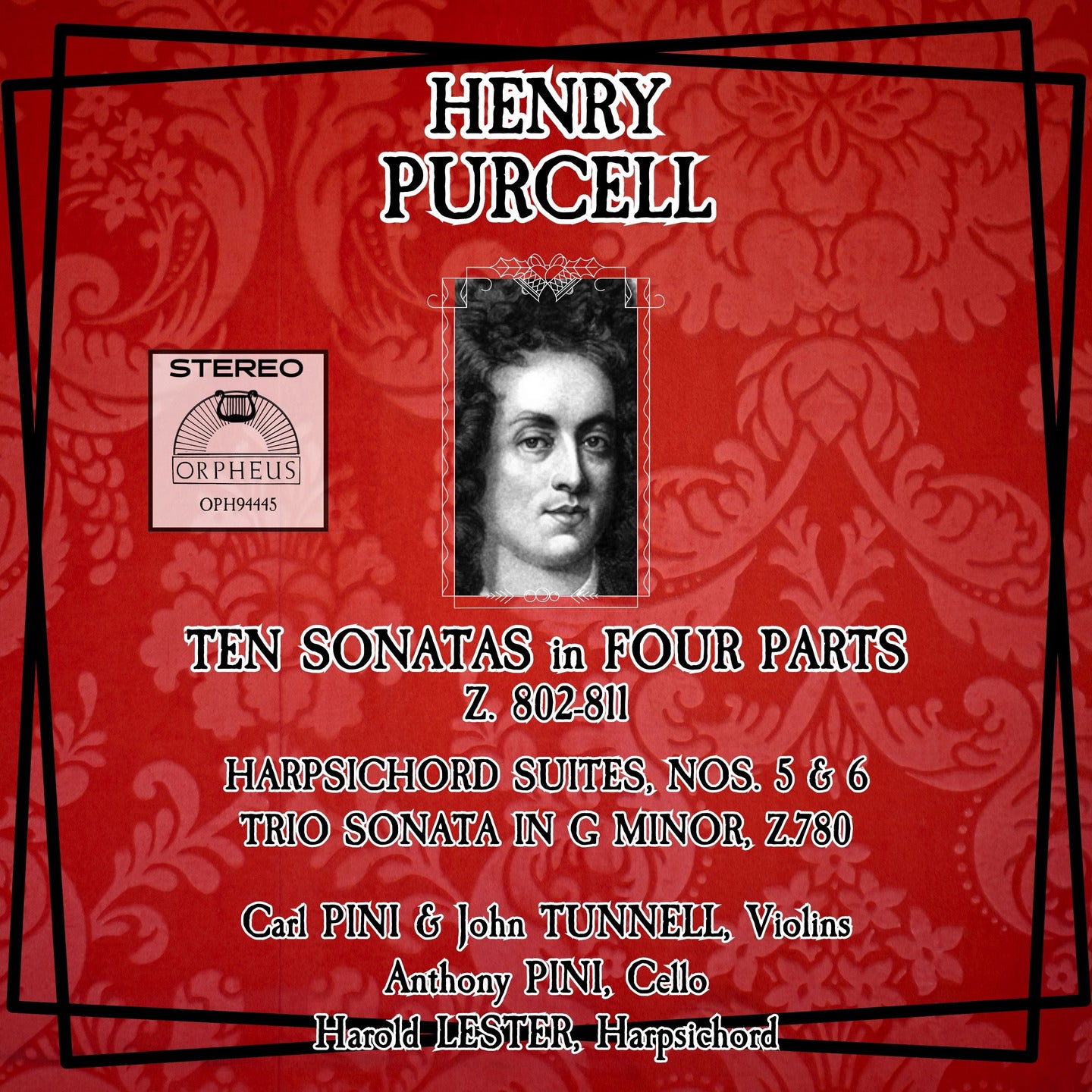
Purcell: Ten Sonatas in Four Parts, Z. 802-811; Harpsichord Suites Nos. 5 & 6; Trio Sonata, Z. 780

Purcell: Ten Sonatas in Four Parts, Z. 802-811; Harpsichord Suites Nos. 5 & 6; Trio Sonata, Z. 780

Regular price $9.99 USD
Regular price Sale price $9.99 USD
Sale Sold out
$5.00 MHS
DIGITAL DOWNLOAD with LINER NOTES

You Choose Your Download Format: After checkout, you can choose MP3, or the high-definition file formats FLAC, WAV or ALAC - all at the same price.

Understanding Our Icons

  • See This ? Save 50% or More on This Title
  • See This? Read About This Title in The Musical Heritage Review
  • See This? This Title Is Only Available on Streaming Services
Unlock exclusive Member perks:

Enjoy your Exclusive Member benefits:

  • Free Downloads Every Month
  • Discounts on CDs, DVDs and LPs at ClassicSelect World, our partner store
  • Enjoy $$$ Off Your Purchases
  • Unlimited Articles from The Musical Heritage Review
  • Click Here Learn about MEMBERSHIP

Perhaps the most important musical development in Restoration London was the gradual establishment of series of public concerts. Even the few meetings that began as private concerns were eventually prevailed upon to admit the general public, such as the group that gave concerts of French music in the Castle Tavern. Whereas other organizations charged only a shilling, their admittance fee was more than twice that sum, and before long they had enough capital to equip a music room in York Buildings, Roger North, an eminent lawyer and musical amateur, wrote in his Memoirs: 'I observed well the music here, and although the best masters in their turns-as well solo, as concerted shewed their gifts, yet I cannot say (whatever the music was) that the entertainment was good, because it consisted of broken, incoherent parts; now a consort, then a lutenist, then a violin solo, then flutes, then a song, and so on, piece after piece, the time sliding away, while the masters blundered and swore in shifting places, and one might perceive they performed ill, out of spite to one another."  

Experience slowly brought order into the situation, and by the time Henry Purcell began to attend such concerts in the 1670's matters were greatly improved. There were many highly skilled players of the violin, cello, and flute, as well as exponents of the (for London) relatively new art of playing continuo instruments, the most usual being the organ and the harpsichord. Many musicians and musical clubs owned a small chamber organ, which had come to be recognized as the standard accompaniment for a consort of viols. To quote North once more: 'In consorts, the chest of viols with an organ were the chief supellectile [equipment] and seldom wanted in a musical family.' The louder-toned violins were rarely played with the organ, the harpsichord being greatly preferred since its bright sound and powerful attack blended well and provided clearer support. The curator of the King's instruments, for example, was paid sums of money for 'repairing and mending several harpsichords at several times for the practice of the private music in the hall and the privy lodgings,' Private music was, of course, chamber music. In August 1685 Purcell's name appeared as harpsichord player in a royal warrant for His Majesty's private music, proving that he performed on that instrument-not on the organ-when called upon to play, in all probability his own sonatas, at court gatherings. 

Sound Samples - Or Stream From Here After Purchase!

View full details

Customer Reviews

Be the first to write a review
0%
(0)
0%
(0)
0%
(0)
0%
(0)
0%
(0)

Also Available from HENRY PURCELL (c. 1659 – 1695)

If You See These Icons: