DECO Banner
  • Turn on embed
  • Create a DECO Banner from our app
  • Select a matching position
Manage Banner
Skip to product information
1 of 1

Customer Reviews

Be the first to write a review
0%
(0)
0%
(0)
0%
(0)
0%
(0)
0%
(0)
DECO Banner
  • Turn on embed
  • Create a DECO Banner from our app
  • Select a matching position
Manage Banner

Albums Featured in The Musical Heritage Review

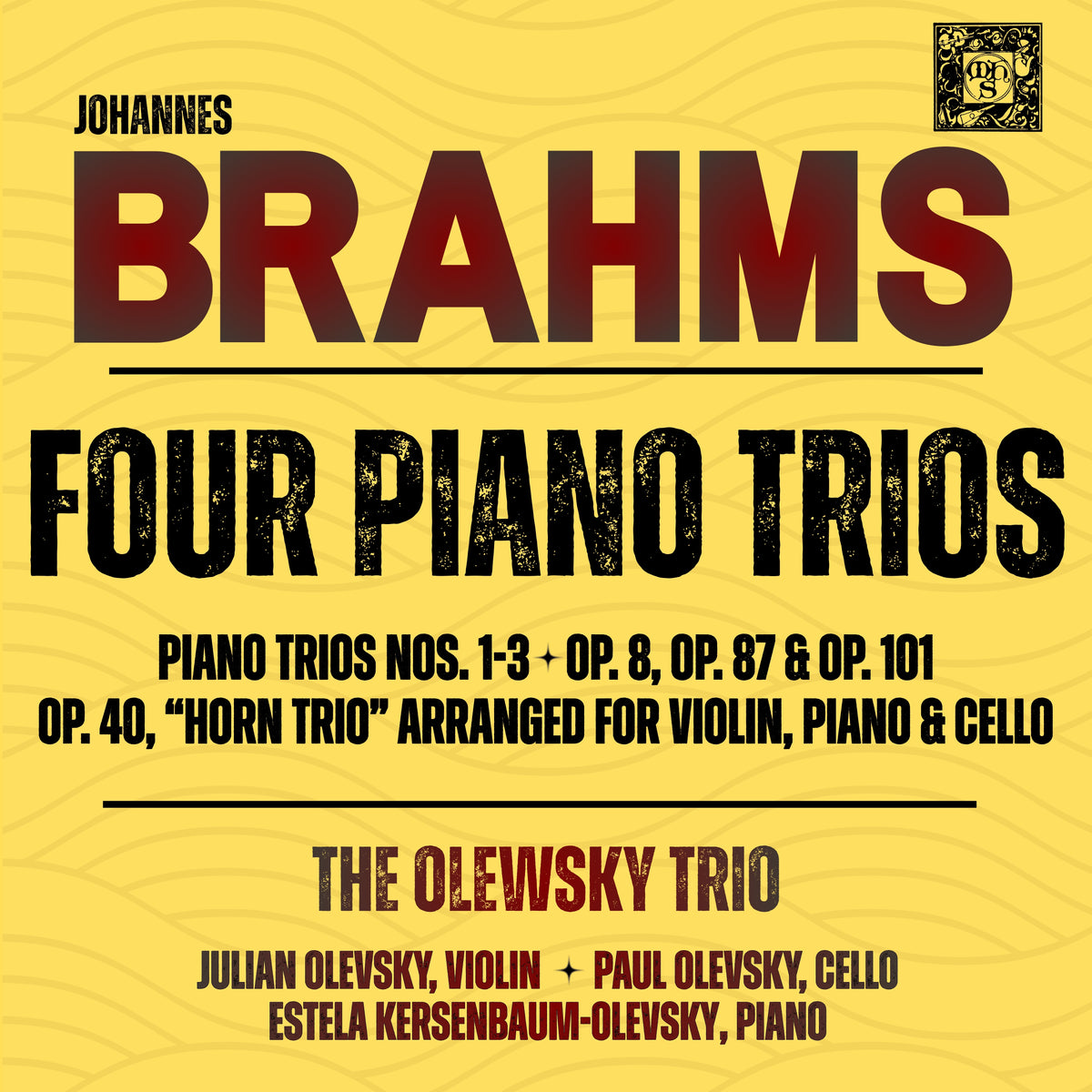
Brahms: Four Piano Trios - Olewsky Trio

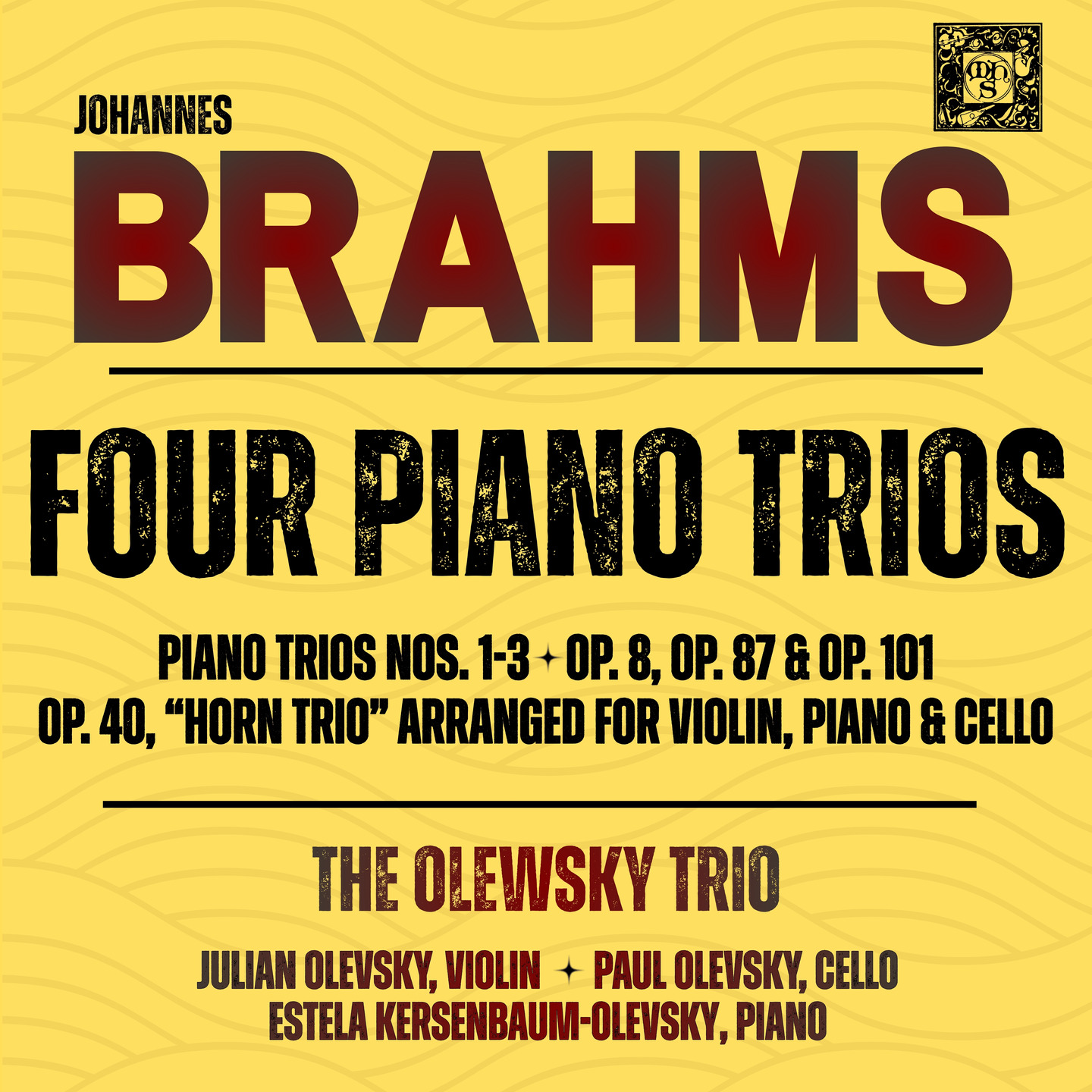
Brahms: Four Piano Trios - Olewsky Trio

An MHS Exclusive!

DIGITAL DOWNLOAD WITH LINER NOTES
Regular price $12.99 USD
Regular price Sale price $12.99 USD
Sale Sold out
Shipping calculated at checkout.
Members Price: $6.50
DECO Trust badge
  • Turn on embed
  • Create a DECO Trust badge from our app
  • Select a matching position
Manage Trust badge
DECO Trust badge
  • Turn on embed
  • Create a DECO Trust badge from our app
  • Select a matching position
Manage Trust badge

OLEWSKY TRIO 
Julian OLEVSKY, Violin  Paul OLEFSKY, Cello  Estela Kersenbaum OLEVSKY, Piano

“THE OLEWSKY TRIO”
The Olewsky Family hails originally from Poland. When some of them came to the United States they Anglicized their name to read Olevsky or Olefsky. In order to keep peace among cousins Julian and Paul we have agreed to employ all three spellings on this album, hence the apparent inconsistencies.


Of the two dozen chamber works that Brahms left us, five are trios: three for the standard combination of violin, cello and piano, and one each for violin, horn, piano and clarinet, cello, piano. These works cover almost all of his creative life, from the First Trio in B, which was his first published chamber composition, to the late Clarinet Trio from 1891, a work that joins the following Clarinet Quintet and Clarinet Sonatas in a final outpouring of autumnal masterpieces. 

Of all major composers it is perhaps Brahms who reveals fewest evolutionary processes in his style over the course of his career. This does not mean that he never grew artistically. Rather, it suggests that his musical language was more or less complete in his early stage, his development manifested itself more in refinement and control of material than in actual change in style. Also, such evenness of output results in part from the composer's strong sense of self-criticism, which prevented any but the most carefully considered works from reaching the public. In this regard we know that about three times as many compositions were actually written than eventually saw publication. 

DECO Trust badge
  • Turn on embed
  • Create a DECO Trust badge from our app
  • Select a matching position
Manage Trust badge
View full details

Customer Reviews

Be the first to write a review
0%
(0)
0%
(0)
0%
(0)
0%
(0)
0%
(0)
Performers

Also Available from Albums Featured in The Musical Heritage Review